Wednesday, October 3, 2007

Sake and sardines

It turns out we arrived in Japan right in the middle of public holiday season: three out of four weekends have been long weekends. This has given us a lot of time to explore our local region, Kobe.

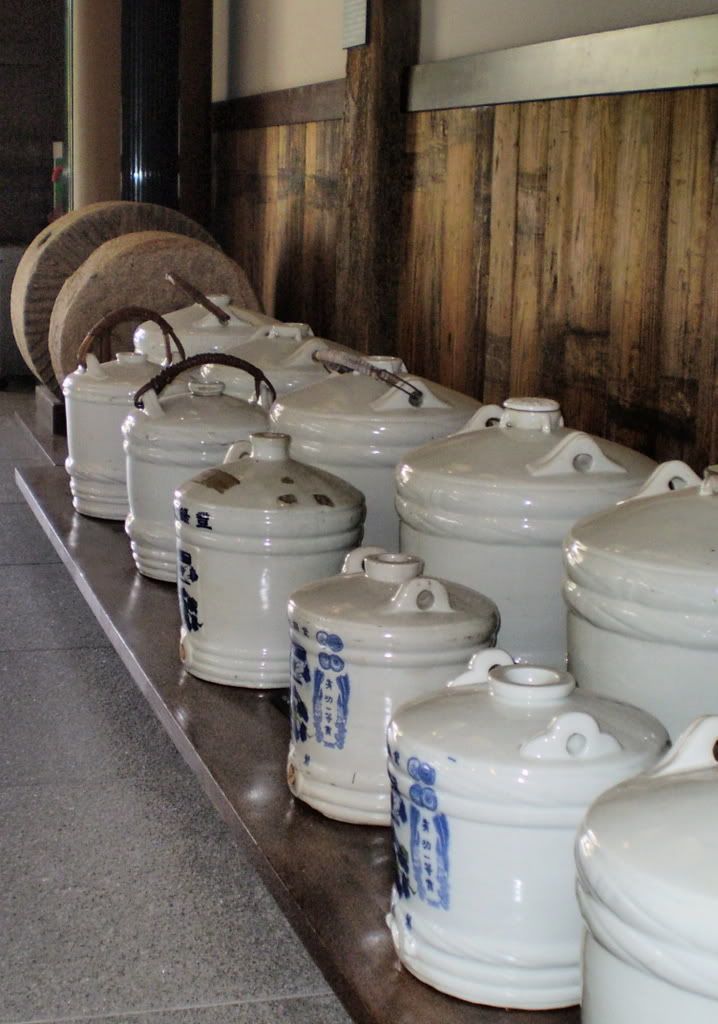
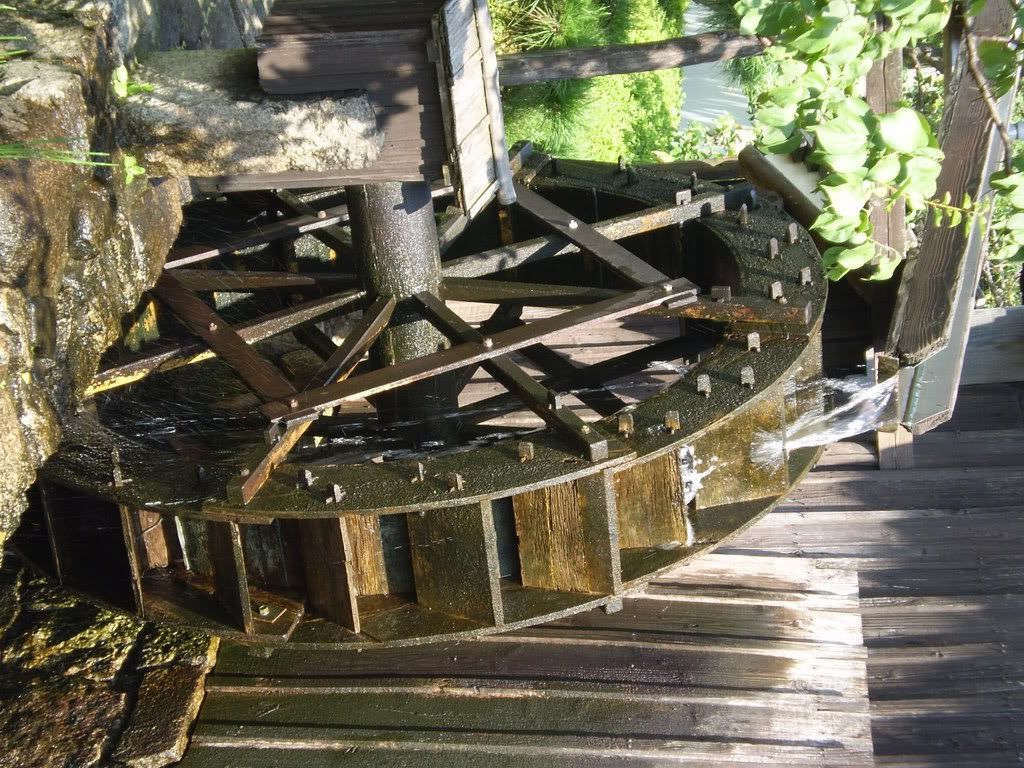
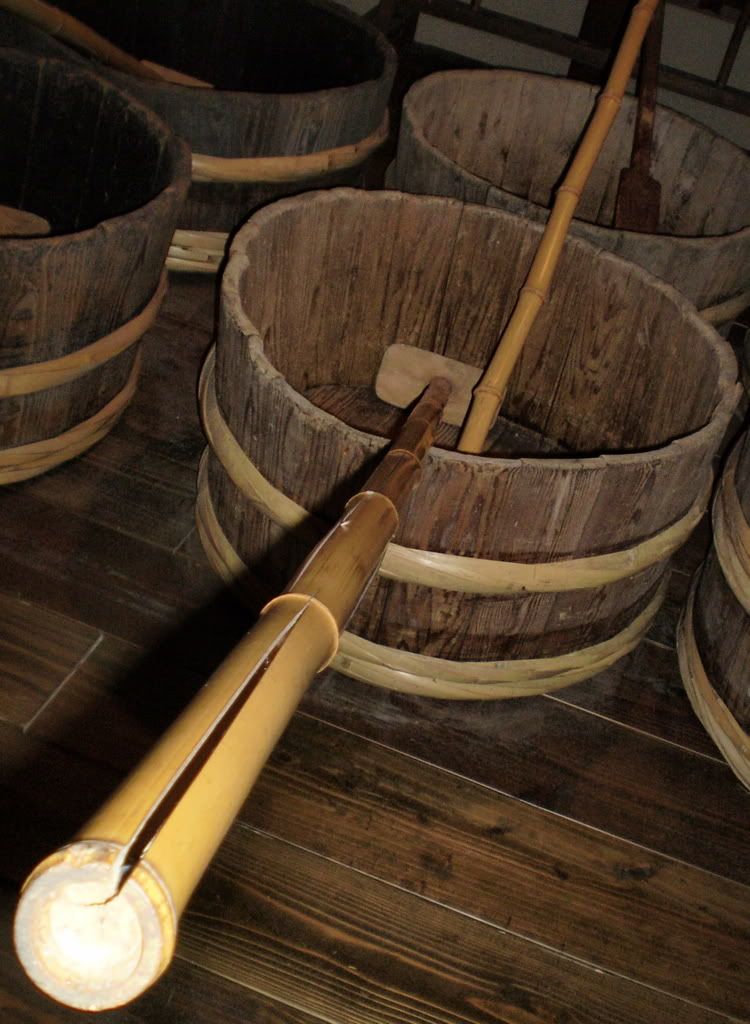
On one particular long weekend we journeyed to a sake museum. For those readers who don't know, sake is an alcoholic drink made from fermented rice. When done poorly, sake tastes like what methylated spirits smells like; when done well, it tastes really quite nice. After a very informative English video on the ins and outs of making sake (on which I am now "full bottle") and touring the relics of traditional sake making materials, I almost drank a full bottle of sake! To sell their wares, the museum gives samples to their visitors and I think they got a little excited to have foreign guests, as they got us to try just about every available sake drink they had on offer. However, in retrospect, perhaps this was just a clever ploy to get visitors to buy more products, the logic being the more tipsy they are the more likely they are to buy. Indeed, it worked--as Matt and I are now the proud owners of some sweet plum sake! Check out the pictures below as it really was a delightful place; cameras, unfortunately, are yet to capture smell, but take it from me, the subtle smell of aged cedar mixed with the dim shadows that pervaded the place really transported us back to a different world. (Where men were men, and real men got naked in giant vats of steaming rice.)
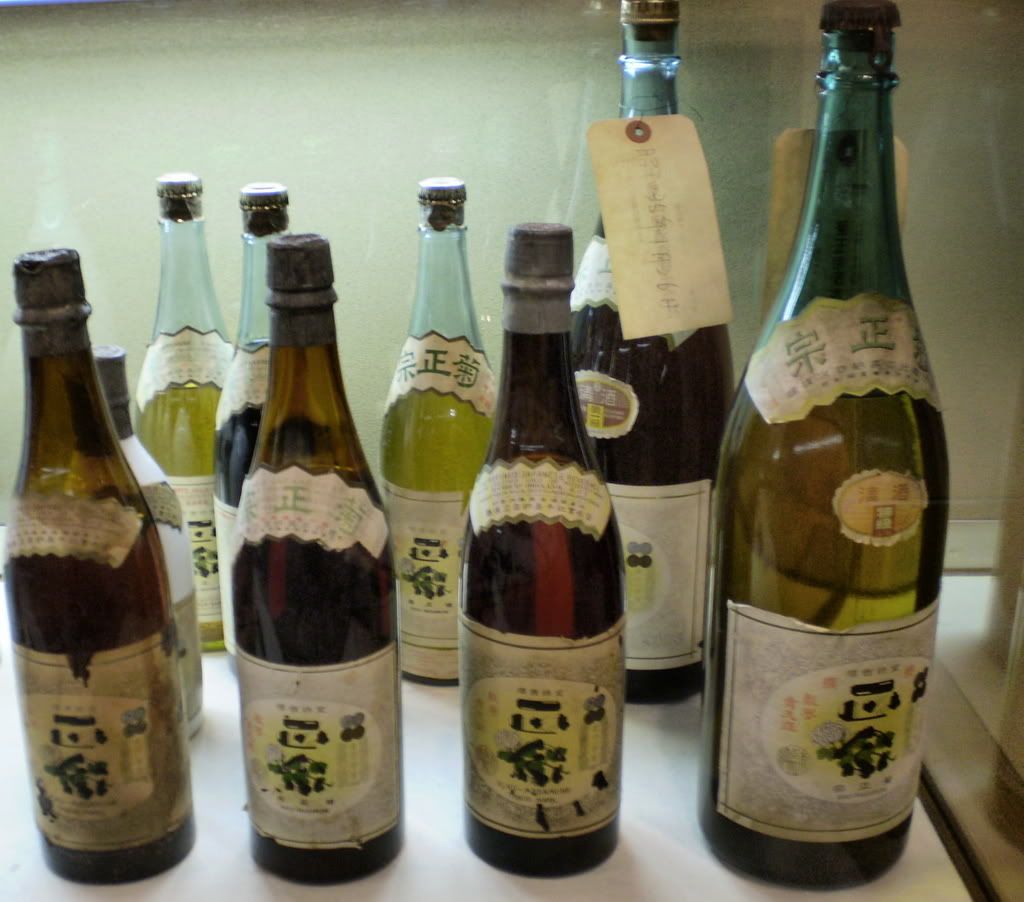
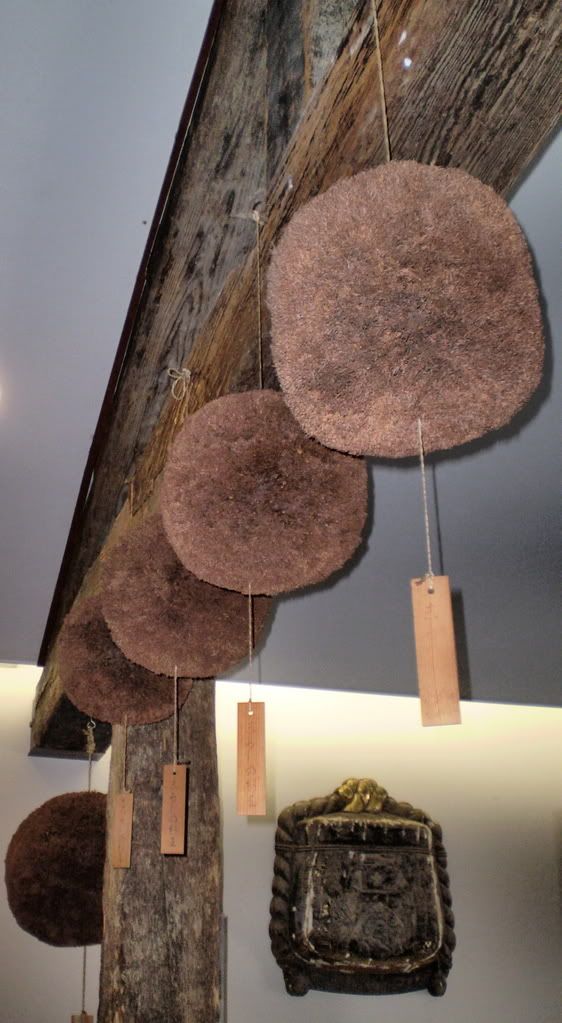


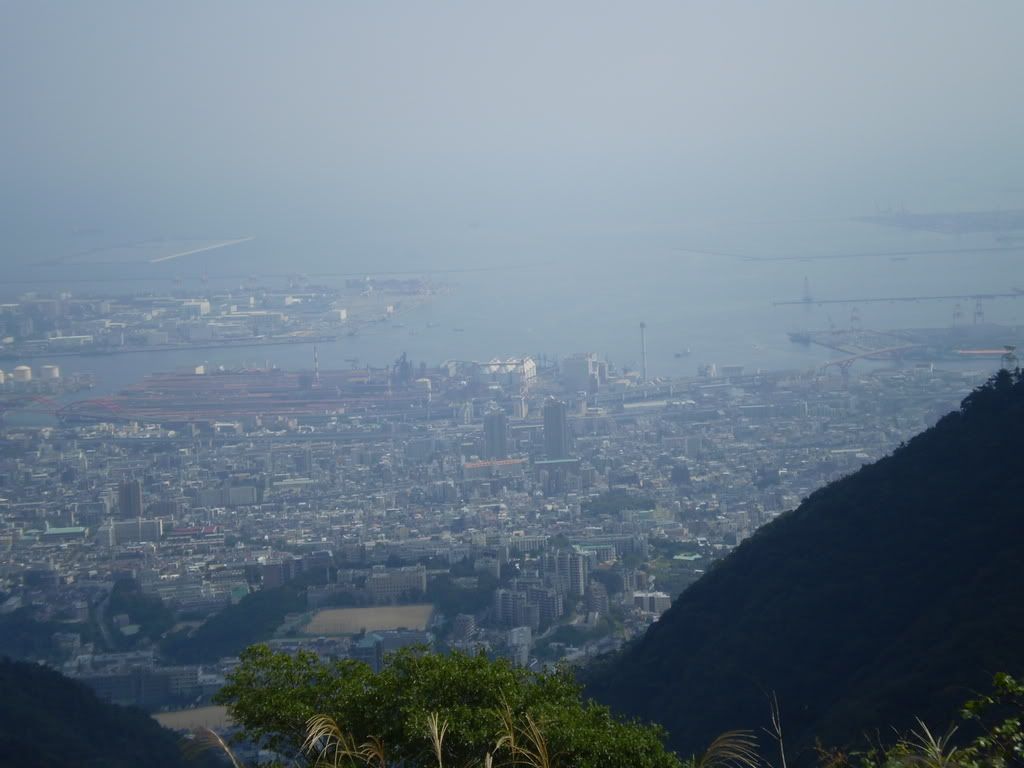
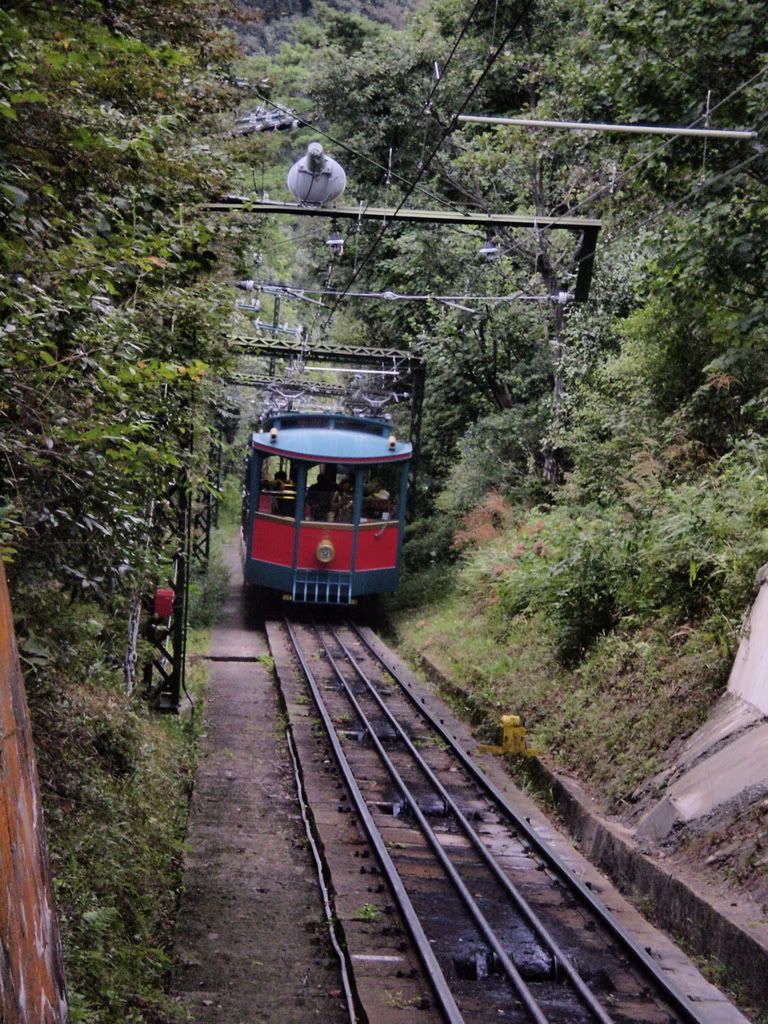
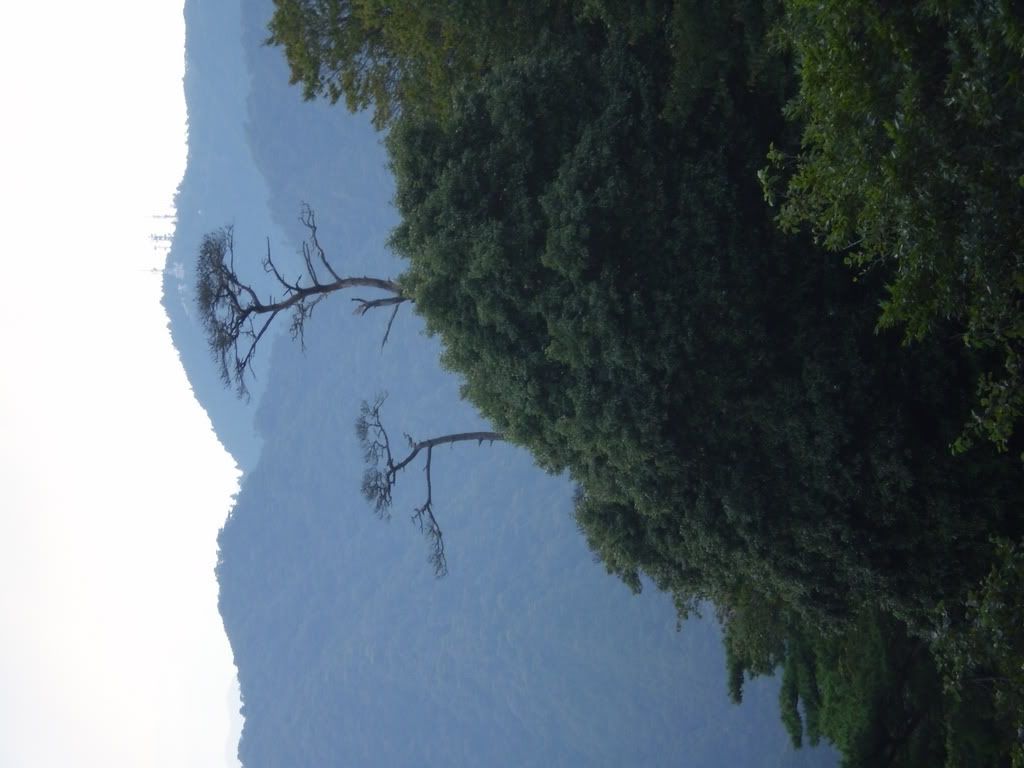
Then it was off for sardines; however, not the eating kind. Kobe is a port city, and typical of port cities it has a highly concentrated population with the employment that international trade brings. However, this is compounded by the fact that Kobe is wedged between a mountain range and the ocean. This is where the sardines enter the picture. We traveled up Mt Rokko, the highest mountain in the region, and from here we got our first birds-eye-view of Kobe's geography. (And I mean literally--on the floor of the museum at the top of the mountain there is a giant satellite image of Kobe and the Rokko Mountains.) As you can see from the pictures below, possibly the best way to describe how the city appears from such a height is by comparison to sardines squished into a tiny tin. It is a truly foreign way of living to the eyes of Perthites used to flat landscapes and hectares of backyard. It's a magnificent sight and especially great when viewed from the top of a mountain where the air temperature is 6 degrees lower than the sauna we've been enduring at sea-level.
Monday, October 1, 2007

Cleaning up the schoolyard


For some reason, spending an afternoon with 60 third-years bearing rakes, forearms and plastic bags, converting little piles of leaves and grass and twigs into big piles of leaves and grass and twigs, put me in mind of the ancient myth of Sisyphus.

And whatever that wriggly, bug-eyed silvery-grey thing was that lurked beneath one of the disgustingly cool and moist little mounds of compost (one which I subsequently avoided), I'm sure it was perfectly safe for droids . . .

Sunday, September 30, 2007

ESL idea #2: Intonation Listening Quiz

(UPDATE: The following is probably going to be of interest only to those few other JETs who stumble across our blog from time to time. I find that the readers of blogs are like domestic cats: if you don't leave a regular supply of Friskies out for them, they'll happily leave and find someone else who will. And faced with the option of blogging about what I had for breakfast or did in the toilet today, and posting an ESL idea that someone, somewhere might actually find useful, I opted for the latter. I promise we'll have more interesting stuff--photos, etc.--soon enough. -- Matt)

Recently I've been teaching intonation in my third-year English conversation classes. I found an online audio quiz which, with some modification and pre-teaching, proved quite effective. The mulitple-choice quiz involves listening to a dialogue between a husband and wife: the wife has some news to break to her husband, and students are required to interpret the emotions/thoughts of the speakers from the intonation they use.

As I mentioned, you will need to pre-teach the concept of intonation as a way of conveying emotions and personal information in English, before you even think about using this quiz in class. Furthermore, the quiz questions as they stand are probably beyond even the average third-year student, so I suggest you make up a worksheet with alternative questions that make the differences between the choices more stark.

I found that this worked most effectively when I split the class into two teams and gave them 5 questions each (there are 10 in total). I also had the benefit of a wonderful JTE who translated the questions into Japanese for me. (I know, I know--that's not strictly vegan kosher, but the point of the exercise is to test student's ability to interpret English intonation, not vocabulary.)

There is a downside: you need a projector, and a computer with a good set of speakers. But if you would like a copy of the lesson plan and worksheets that I used, feel free to email me.

Friday, September 21, 2007

ESL idea #1: Noughts and Crosses


Now that I have taught high school students in two countries, I suspect I may have discovered a universal law of secondary education*. Whether you're in Kobe or in Kallaroo (actually, there's no high school in Kallaroo), if it's the final period of the day on a Friday--especially before a long weekend--the last thing the kids want to do is work. And who can blame them? Work also happens to be last thing teachers want to do at the end of a long week. So you have to improvise if you want to hold their attention for more than ten consecutive seconds.

It doesn't help, of course, that I've decided to introduce them to the rather difficult concept of intonation. They breezed through intonation patterns in questions--i.e. where wh- questions are uttered with a falling intonation, and yes/no questions are uttered with a rising intonation (did you know that?)--but now I'm having to walk them through the use of tone to express feelings, and as I'm having to walk slowly, I end up with a lot of spare time to fill in my lessons. And I hate uncomfortable silences.

Fortunately, I have on my desk a wonderful little book called 96 Games for Beginners in ESL. It belongs to Emma, and she wants it back, but it saved my bacon today. I found a game that is a little like Noughts and Crosses meets The Einstein Factor. The object of the game is pretty straightforward: you have to get a row of three Os or Xs going either across, down, or diagonal. But each square contains a category: past tense, Australia, fruit, spelling, pronunciation, abbreviations, girls' or boys's names, special places and occupations. The class is divided into two teams, and as each team chooses a square it is asked the corresponding question (e.g. "What is the past tense of give?", "What is the capital city of Australia?", "What is the name of a fruit beginning with the letter 'O'?"). If the team cannot answer, the other team is given a chance to answer it and claim the square. As with normal Noughts and Crosses, teams take turns answering questions, until one of the teams has won, or the result is a draw. No materials are required for this task except a whiteboard marker and a whiteboard (my favourite kind of lesson activity), on which is drawn a 3x3 grid.

I discovered today that my students were actually unfamiliar with this game. (Rocks, paper, scissors they are aware of; just not noughts and crosses.) So I quickly drew another 3x3 grid and ran through the rules, before playing a game against them. To give them encouragement, I let them win. They enjoyed the actual games a lot, though one of the last-period-of-the-day teams made a costly strategic error and handed victory to the opposing team on a plate. I'm putting it down to fatigue!


*Logicians please note: this is an example of a hasty generalisation fallacy.

Tuesday, September 18, 2007

Suppose I gave a lesson and nobody came?

I think I just experienced my first "Don't-ask-me-I-just-work-here" moment.

Well, there I was in the Language Lab, all set for today's lesson. The exercises were written on the whiteboard. The worksheets were waiting on the students' desks. The Powerpoint was primed. All that was missing were my students, and the JTE.

Don't panic, I told myself as I collected some of the worksheets that had blown off the desks. Maybe they're just late back from phys. ed. I mean, it's not as if they switched to Monday's timetable because of some soccer thing, out of the clear blue sky, and didn't tell you. That's just crazy-talk.

End of whine.

Perth Music II

You know . . . as keen as I am to learn the language, it's positively frustrating that Blogger appears in Japanese. If anyone knows how to fix this, I'd much appreciate it.

Anyway, I just want to be frank with you about something. As my last post probably made abundantly clear to any cognoscenti who happened to be reading it, I know next to nothing about Perth music, and even closer to nothing about Perth music of the current decade. Nevertheless, I'm going to post what in my ignorance I believe to be some of the highlights of Perth music in the years 2000-2007 (in no particular order). If you have any more suggestions, please leave a comment below.

Karnivool (2005): "Themata"


The Panda Band (2005): "Sleepy Little Death Toll Town"


Downsyde (2003): "El Questro"


The Bank Holidays (2004): "Tread Easy"


The Waifs (2003): "London Still"


Pendulum (2005): "Slam"


Little Birdy (2003): "Relapse"


End of Fashion (2005): "Oh Yeah"


Eskimo Joe (2001): "Wake Up"


Bob Evans (2006): "Don't You Think It's Time?"


Birds of Tokyo (2007): "Wayside" (Live)


The Panics (2003): "Kid, You're a Dreamer"


Fourth Floor Collapse (2003): "Sun"


John Butler Trio (2003): "Zebra"


Jebediah (2001): "Fall Down"


OK . . . that's enough for now. On a future occasion, after I've surveyed the opinions of some of my students, I might post some Japanese music.

Sunday, September 16, 2007

Perth Music I

If you're a JET who happens to be feeling homesick right now, I suggest skipping this post and moving onto the next one. (When it comes.) If you're a Japanese visitor whom either Emma or myself have directed to this site, the following is Part One of a collection of YouTube videos from popular Perth and WA musicians that I have posted for the satisfaction of your curiosity.

I should mention that this particular selection reflects my own biases and age, so don't expect to see anything by Cosima deVito.

First up, Ammonia: the band that put Perth back on the map as an exponent of fine Australian rock music. (I could be mistaken, but the last Perth band to enjoy a similar level of radio airplay was V-Capri, fronted by a man who would later find success as a TV weather presenter.)

Ammonia (1998): "You're Not The Only One Who Feels This Way"


Ammonia, sadly, broke up in 1999 ("creative differences" & c.). I saw their last ever show at the Big Day Out. At the same festival I also saw the great Jebediah. This one goes out to our fellow JETs.

Jebediah (1997): "Leaving Home"


At around the same time as the members of Ammonia were going their separate ways and Australia was falling in love with a band whose lead singer sounds as if his vocal chords are located in his nose, there emerged a band by the name of Eskimo Joe. Nowadays, sadly, they have embraced commercial rock (Who Sold Them Out? hehe), but this early song is an absolute classic:

Eskimo Joe (1998): "Sweater"


In the late 90s, an art student named John Butler, originally from California but who grew up in Pinjarra, began busking on the streets of Fremantle for some extra cash, and soon enough The John Butler Trio was born.

John Butler Trio (2001): "Better Man"


Following the success of these groups, Perth in the opening years of the twentieth century went from being a musical backwater to quite an exciting place. (In other respects it arguably remains a backwater.) Symptomatic of this newfound fame is The Sleepy Jackson.

Sleepy Jackson (2003): "Good Dancers"


More in the next post . . .